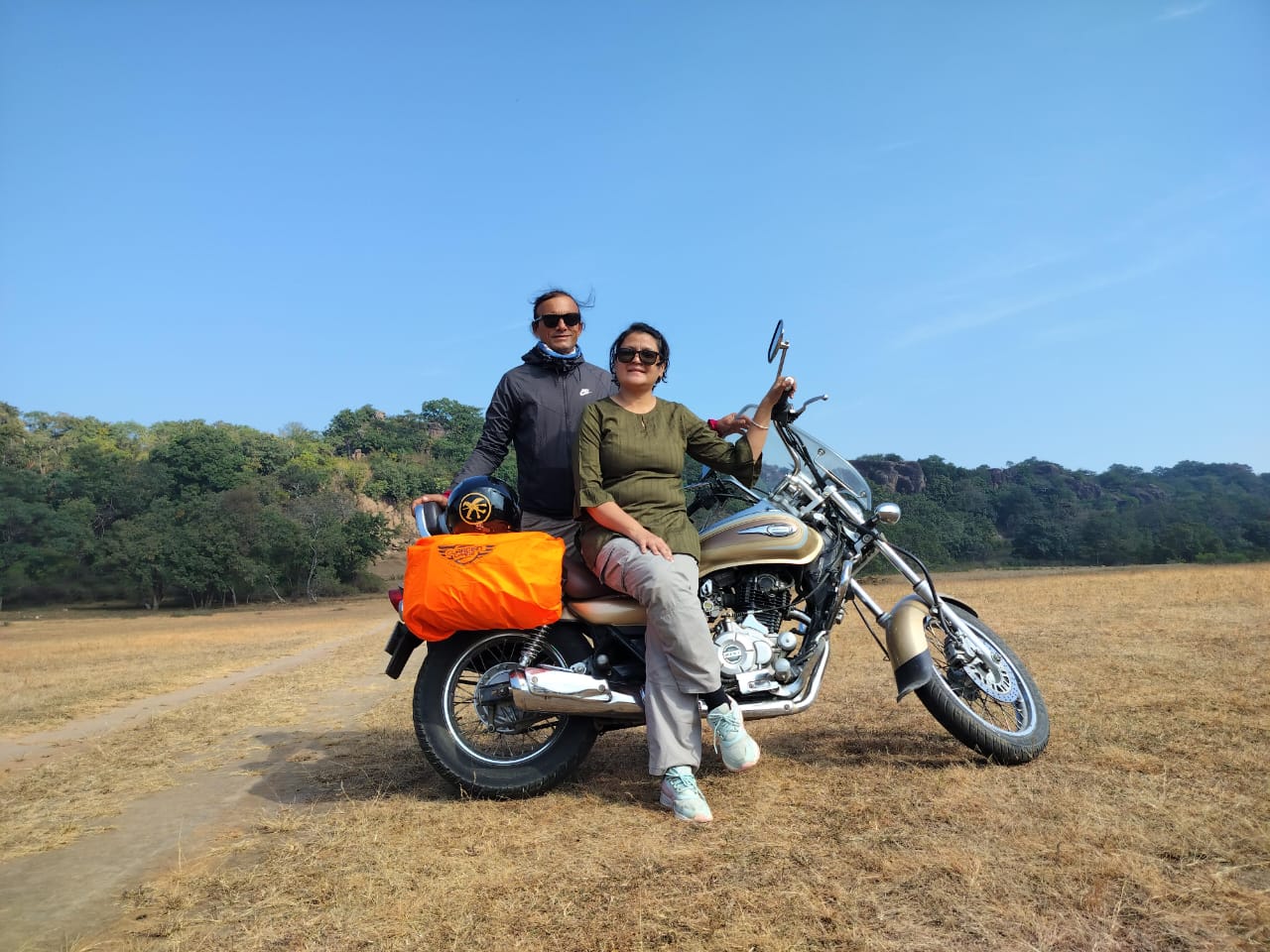
The whole idea of motorcycling is to slow down and scale down, in terms of the luggage you carry on the bike and the baggage you carry on your mind. When you ride in small groups of two or three bikes, at a leisurely cruising speed for two to four hours a day, over a period of a few weeks – it is what we call soul riding. It’s the kind of ride where you make peace with the pace and focus on the journey and not the destination.
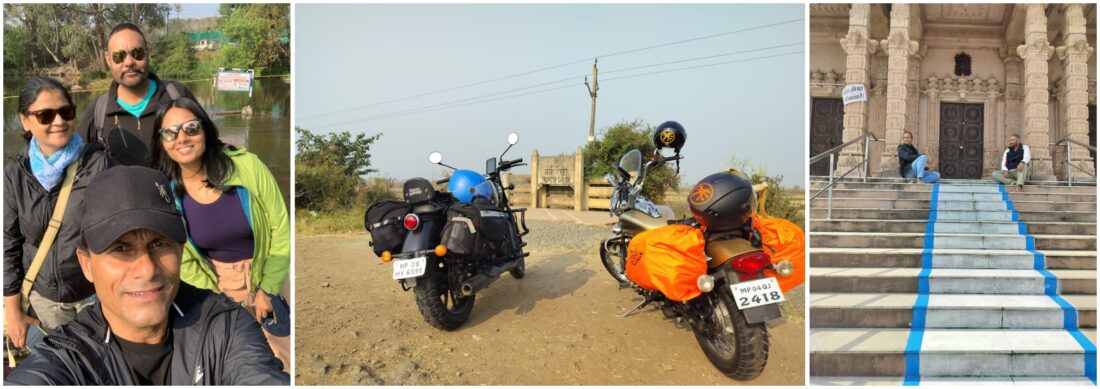
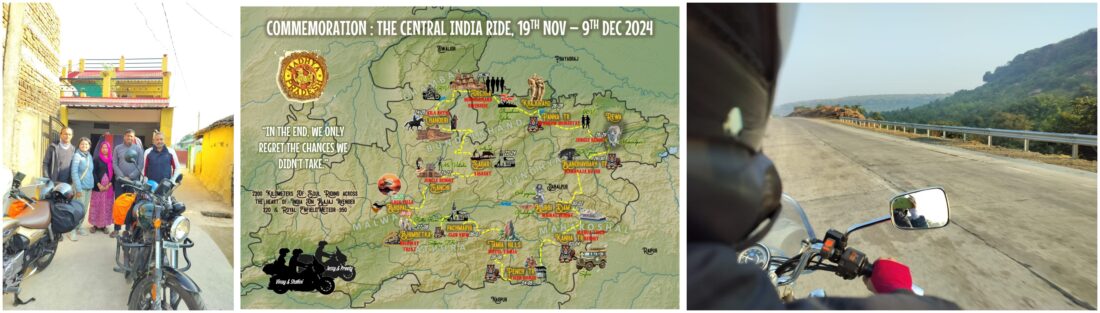
Motorcycling into the heart of India, Madhya Pradesh, was the plan for our soul ride in November. With 3 UNESCO world heritage sites, 6 tiger reserves and 2 legendary rivers – the ride was going to take us across Central India to the Malwa and Bundelkhand plateaus, the Chambal region, and the Vindhya, Mahakoshal and Satpura Ranges.
So, a couple of days before d-day, four riders and two motorcycles reached Bhopal, the start point of the ride. Our stay was at Lago Villa, a quaint and quiet homestay on the Upper Lake. It was perfect for spending our time watching glorious sunsets, strolling on the lake track, and testing our bikes across local sights.
Day 1 – Bhopal. On a clear winter morning in mid-November, two retired couples looking for some soulful travel, struck out for the quiet road to Sanchi. Mindful about avoiding the main highway, we navigated through the narrow streets of old Bhopal suburbs to get to the familiar sight of black soil, small tilled fields, streams with pools of water, kingfishers and larks amongst the bushes and red tiled roofs.
I was relieved to see that the basic character of the region that had enthralled me as a starry eyed student over four decades ago, had not been sacrificed for development. I pointed all this out to Shalini, who patiently nodded – spouses repeatedly hear each others’ versions of memories and places before they actually experience it, and all that is left to do is nod.
Excited about crossing the Tropic of Cancer enroute, we soon came across the two large stone boards with broad lines that marked it. A quick stop was made to admire the magnificence of the concept and the insignificance of our place in the universal scheme of things before continuing onwards.
An hour later, we entered the Sanchi Stupa complex, a UNESCO heritage site. A comparison with the original ruins when discovered by the British and the current status reveals the inordinate amount of effort that has been put into it. We stayed at Madhya Pradesh Tourism’s (MPT) Jungle Resort, which is right under the shadow of the Udaigiri Caves in a carefully created bamboo forest.
Days 2 & 3 – Sagar. The next day, we entered Sagar from the south-west and got almost immediately overwhelmed by the local traffic. Sagar, or Saugor, as it was earlier known, is one of the many British cantonment made at scenic locations across India. Little surprise then that our stay was in a refurbished erstwhile British prison that is now called Virasat. We spent an extra day to meet up with old friends and refresh our salad days. We also visited Akash’s Organic farm, which is known all over the country for its highly productive vertical organic farming method.
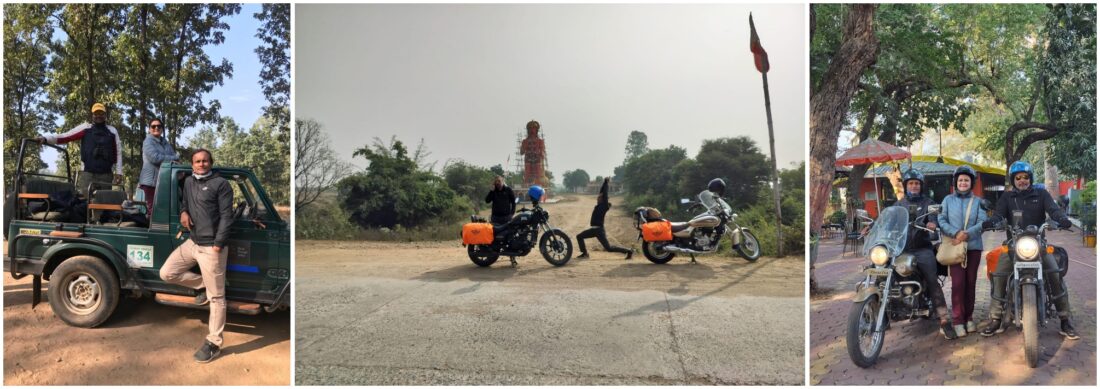
Day 4 – Chanderi. At dawn, we headed north for Chanderi with the vista of the rolling hills of Bundelkhand laid out before our eyes. The legendary capital of the Pratihara and Bundela rajput clans, its riches drew the Afghans and Mughal Babar in repeated conflict. Tales of tunnels being dug in one night at Kati Ghati for siege, and thousands of lives lost defending it at the aptly named Khooni Darwaza, make Chanderi Fort one of the most haunted in India.
The ride took us through the massive expanse of Lalitpur lake, the first crossing over the holy Betwa river and into Pranpur craft tourist village where the looms spin out world famous Chanderi sarees. We climbed up to Kila Kothi, the MPT resort right inside the haunted fort where we stayed for the night. Visits to local sights through the stone cobbled streets of the town, a remarkable light and sound show, late night sounds of qawwali and nautanki below, and a tribute at dawn at the Khooni Darwaza and Sati pond left us in a reverie as we left for Orchha the next day.
Day 5 – Orchha. We rode on to Babina as the highway transitioned into a wider expressway. On the outskirts, a friend met us for a cup of tea and rode with us for a few miles as a gesture of camaraderie. Orchha, a forlorn cousin of Jhansi that’s right outside its city limits, represents an old world charm that the latter cannot. We stayed at Bundelkhand Riverside, the renovated hunting lodge of the Maharaja of Orchha, which is probably the best way to experience Betwa river at its playful best. The river flows into rapids created by ancient rocks that conjure up an ethereal mist all over it from dusk to dawn.
The highlight of the evening was the glorious multi-terraced quaint chattri temples and the guard of honour presented by the State Police to Lord Rama during the traditional evening aarti. Lord Rama is treated as a king here, unlike the rest of India, the priest told us.
Days 6 & 7 Panna Tiger Reserve. We headed out early for our ride to the Panna Tiger Reserve. The magnificent open expressway gave us speed but no soul, and just as we were being overtaken by monotony, the dry plateau gave way to the Vindhya hills again. We crossed the Karnavati river to arrive at our stay, the Mandal Tourist Village. Our host was a safari guide who runs a pretty homestay on the edge of the village in the Panna buffer zone. With a traditional welcome by his wife and daughter, we felt right at home when checking into their terrace rooms.
During the two days stay, we soaked in the legendary architecture and lore of the UNESCO heritage Khajuraho temples and the quaint vibes of the Panna Tiger Reserve. For those who believe that our cultural heritage was conservative and patriarchal in bygone times, a few days immersion here is what the doctor may just order.
Panna, apart from the diamond mines, stands out for its very successful tiger conservation effort – from zero in 2006 to over 300 plus today. The nucleus itself was drawn from the other more legendary tiger reserves in the state.
Day 8 – Rewa. After two days in Panna, we moved on to Rewa and headed to a resort near the White Tiger Zoo at Mukundpur, which is the main attraction. An open zoo, not unlike Jurassic Park, the legendary white tigers give an audience to the visitors as the safari route winds through the spots where the occasional drops of meat is done. Our stay, a quiet MPT resort, turned out to be colder than all the places we had stayed earlier. A welcome warm flavour came from the Bagheli chicken cooked in raw spices, further adding to the laid back day.
Day 9 – Bandhavgarh Tiger Reserve. Carefully avoiding the main axis, we rode out on a lesser country road through scenic vistas to Bandhavgarh. Our ride took us through large tracts of reserve forests, which would intermittently form a virtually continuous forest belt for over 1500 km, right till the end of our trip. We descended over 2000 ft from the Vindyachal hills into the Maha Koshi tract before entering the buffer zone of Bandhavgarh Tiger Reserve.
The Reserve is not only known for being the Maharaja of Rewa’s private hunting forest, but also the legendary fort that Laxman used as an outpost during Lord Ram’s crusade. As one of the older Tiger Reserves in the country, we made it a point to savour its vibes by staying near Turia gate at the Maharaja Kothi hunting lodge, which boasts of live fireplaces and a 500 years old banyan tree with over fifteen odd secondary roots turned trees. Enroute, we halted at Manpur, an ancient market of sorts where an incredible variety of forest produce including rare herbs were available.
Days 10 & 11 – Jabalpur. It was a cold, clear dawn, and with the longest day ride of the tour 175 km ahead, we left early through herds of cheetals frequently crossing the road. As we headed south, we once again crossed the Tropic of Cancer near Umaria. Skipping the main highway, we took an eastward country road that was scenic, smooth and low on traffic. We weren’t disappointed as the landscape graduated into low rolling fields surrounded by forested glades, very much like the Alders paintings series by Van Gogh in South France.
We halted to soak in the ethereal sights at Harduli, a picture perfect hamlet with a traditional village scene complete with young belles washing clothes on the stone ghats of a small lotus lake surrounded by ancient banyans. As the terrain began sloping down gradually towards the legendary Narmada valley that defines the Mahakoshi region, it prompted us to halt at least thrice to photoshoot memories.
As per the advice of a local regimental officer, we skirted Jabalpur town from the east and rode into the MPT resort at Burgi Dam on Narmada, about 20 km south of the town. Rooms overlooking the magnificent lake with sunlight pouring through the large south-east facing glass doors greeted us. Not wanting to lose the opportunity, we took the sunset cruise boat and spent a rather lovely hour sailing on the waters, duly enthralled by river terns escorting us as the sun set. It was dark at night being amavasya, which made us make a mental note to come again on a full moon night.
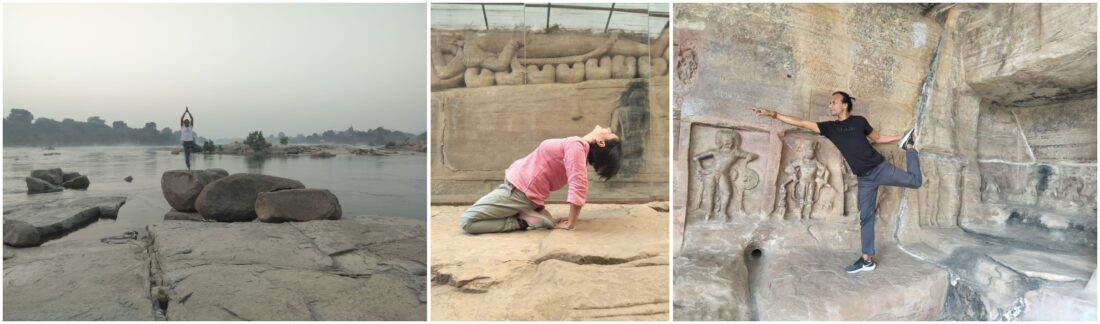
It was a two nights reset halt, so we followed our respective routines the next morning – a long, slow 16 km run for me to shake off the stiffness. With a five km long embankment, the dam is gigantic and especially suited for a meditative run. After breakfast, we went by a cab to Bhedaghat marble rocks and waterfalls, bypassing the town from south. A rather outspoken boatman cum guide amused us with outlandish tales of film shootings there before we climbed up and spent some mindful moments at the 64 yoginis temple, one of the four in the country, and our focus as yoga teachers.
Days 12 & 13 – Kanha Tiger Reserve. The next day’s ride was extended by half an hour as we chose the eastern white top highway through Mandla and got channelised – quite happily – into a road laced with small hamlets. We set up camp in the extensive bamboo grove cottages of Mahua Tiger Resort at Mocha village in Kanha Tiger Reserve. A warm, campfire dinner was followed by an early morning wake up call for the safari.
Just as dawn was breaking, we entered from Khatiya gate along with over 35 safari gypsy jeeps to discover a land that seemed to be from another era. Fragrant and green foliage, bubbling brooks, massive rocks, dew soaked tracks with giant pugmarks of tigers, expansive grasslands around small lakes, and amongst these were fauna of every description. Though the tigress with her cubs who had dragged a kakkar into cover the previous day remained out of direct sight, her movement was persistently given out by the langurs, cheetals and babblers.
A romantic field breakfast at one of the ranger outposts, added to the experience of the four hour long foray into the jungles immortalised in ancient Indian scriptures and later, Kipling’s writings. The evening was spent at a warm campfire after a visit to all the lovely resorts in the area.
Day 14 – Pench Tiger Reseve. After posing yet again for a souvenir riders picture for the owners’ benefit – fifth time now – we left early for Pench Tiger Reserve. Our ride took us along the beautiful, lonely, buffer zone road winding through sal forests and flowing streams before hitting the Jabalpur – Nagpur Expressway at Seoni. The highway passes through the buffer zone of Pench on an elevated corridor, an engineering and conservation marvel, which allows the wildlife to freely pass underneath it undisturbed by movement, sights and sounds.
We holed up at Pench Tiger Homestay right next to the quiet Turia gate with an impressive wooden machan overlooking a pond behind it, which we made appropriate use of after a long evening walk along the well maintained road with a new moon on the horizon.
Day 15 – Chhindwara. In the morning, we headed due north towards Chhindwara but had to retrace our route since Google navigation took us right into the restricted core zone of Pench, which added over 30 km to our route. We ended up riding back on the expressway till Seoni before veering due north west through Chhindwara, a well known cultural hub, which was very clean and quite reminiscent of Chanderi.
We entered into the Satpura range on a gradually ascending and winding road through grand teak jungles before the plateau leveled off short of Motel Tamia, our night halt. The motel is actually a well constructed MPT property on lease to a private agency doing a great job of running it. Our day was spent lounging on well manicured lawns, walking up to the sunrise point and stargazing for planets around the new moon. The night was very quiet and dark with no traffic on the highway – there’s a reason Tamia hills are well known.
Day 16 – Pachmarhi. After a leisurely morning spent watching drongos, frolicking around with the manager’s retriever and a leisurely breakfast – we crossed over to the north side of Tamia hills. Here we descended into a beautiful, forested and fertile valley through some impressive cliff viewpoints before entering Naramadapuram Satpura Tiger Reserve – the fifth on our route.
With frequent halts for photoshoots on old stone bridges on flowing creeks, we began rapidly ascending over 3000 ft on a narrow circuitous road amongst narrow cliff ridges before entering Pachmarhi, the famed British cantonment town. It was very much like our ride through Ooty early in the year but the pines were replaced by teaks. We stayed at Club Lake View, a British era MPT property near the ancient church on the Mall Road. The day was spent walking around the town to the lotus covered lakes, markets and clubs, the retreat bugles of the Army’s quarterguard adding to the colonial air.
Day 17 – Bhimbetka. The last stop of our ride – Bhimbetka Rock Shelters – beckoned as we made the most of MPT’s sumptuous breakfast and descended back through the circuitous road into the valley floor upto Matkuli and its expanse of beautiful forested hamlets. Taking the scenic road, we left the main road and rode along a rather well maintained but narrow country road through Satpura Tiger Reserve buffer zone upto Narmadapuram after crossing over two tributaries of Narmada. The Bhopal Expressway was thereafter an uneventful ride interrupted by construction activities until we reached Highway Treat, a unique MPT facility complete with a lively café built on an erstwhile railway platform barely 20 meters from the main line, where we settled for the night.
Dating back to around 60 BCE, Bhimbetka rocks were the last of the three UNESCO World Heritage sites of Madhya Pradesh we visited, albeit with a wary eye – a tiger had migrated outside the core zone and motorcycling across the open five km stretch upto it was not exactly recommended. With assurances of no halts enroute, we rode in and spent the better part of our noon walking through the aisles of the pretty colony of rock shelters laced with articulate paintings, carvings and caves overlooking the landscape around it.
Days 18 – Bhopal. The final morning of our ride dawned on us quietly, and after an hour long steady ride on the expressway, we eased into Bhopal from the south as the morning office traffic was just building up. The day was spent in returning the motorcycles, getting clearance, basking in the noon sun on the lake, listening to a group of young singers at a guitar jam, and watching a glorious sunset over the lake with the sense of dismay as the soul ride ended. But for the hosts’ two dogs who escaped early next morning because of our fault and were found only in the evening – everything was quiet and peaceful as we exited Bhopal by air with memories of a forgotten land that holds the soul of India.
The long ride changes you, as we have repeatedly experienced during our other soul rides across the Malabar coast, Coorg plateau, Nilgiri hills, Thar desert, and Brahmaputra valley. Apprehension gives way to anticipation, ambiguity to acceptance, angst to relief, black and white to colour. It fills your heart with a sense of life and your mind with exquisite stories of the time spent on the road. In the end, all we really have is our story.
Note: For a long and unsupported ride, a recommended kit may include two 50 ltr side bags for two persons with travel essentials that include clothes, electronics, and a basic toolkit.
Vinay Nagyal
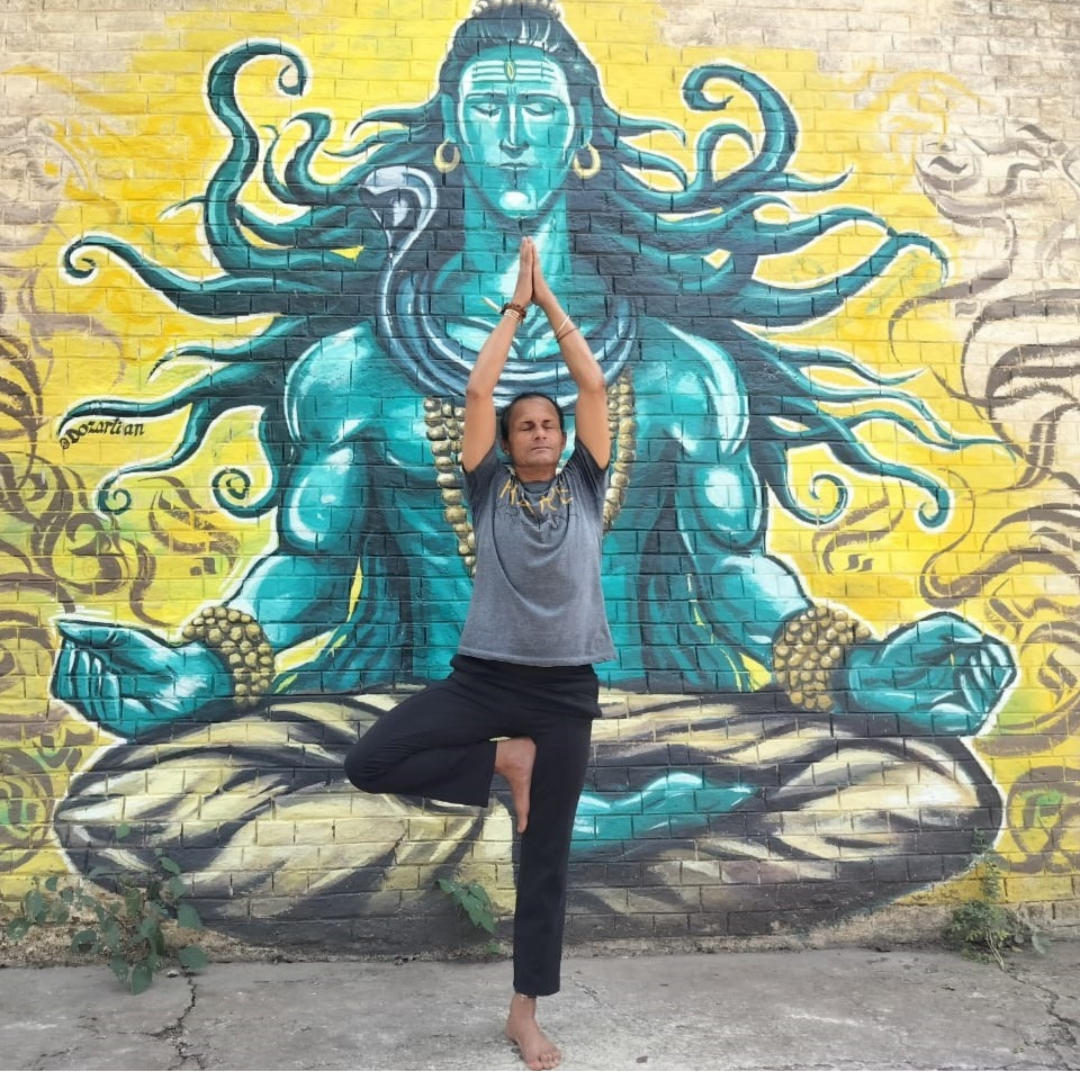
Vinay Nagyal is a retired Indian Cavalry officer. An ultrarunner of the 100 miler league, author of the critically acclaimed Malana Cream, yoga teacher at Idayogashala DLF Valley and a permaculture farmer, he is an avid supporter of old fashioned slow soul travelling on foot, motorcycle or otherwise. You can follow his projects on instagram – Idayogashala, mornihillspermaculturecentre and mornihillswelfarefoundation.